Beasy Blockchain MVP: Designing Trust for a Decentralized Future
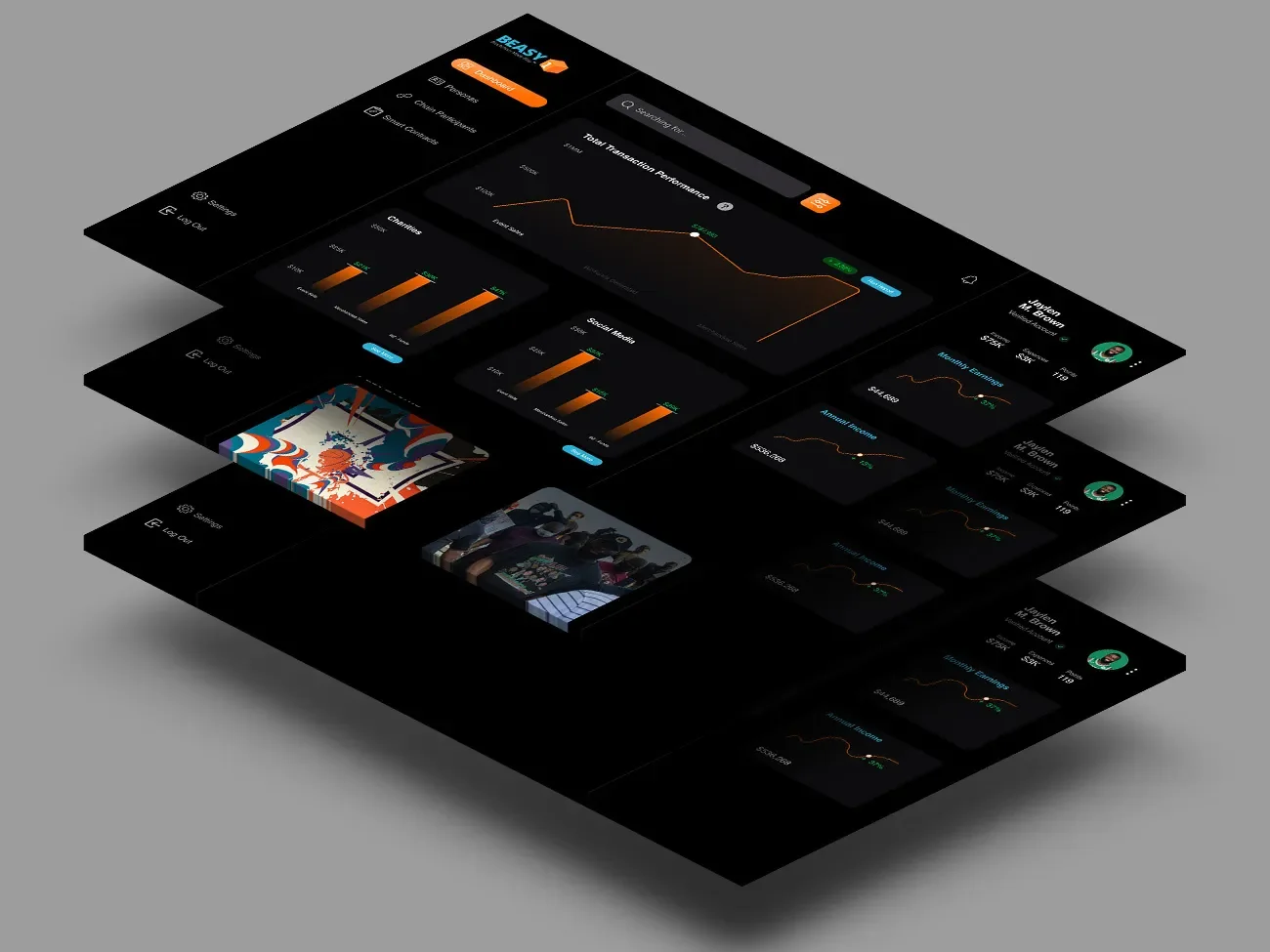
Designed an early-stage blockchain MVP focused on document authentication and digital trust, simplifying decentralized workflows into an intuitive experience used to validate product vision and secure investor confidence.
Role - Lead UX/UI Designer
Project Type - Product Design, UX Strategy, MVP Development, Web3
Tools - Figma, Miro
Impacting Areas - Web3 Accessibility, Blockchain, Sports
Project OverviewBeasy is a blockchain startup that aims to simplify document authentication and digital trust verification. As the Product and UX Lead, I was responsible for defining and designing the MVP experience that helped attract over $1.5M in initial funding and position the product for growth in a competitive Web3 landscape.
The ProblemTraditional document verification methods are often inefficient, costly, and prone to fraud. The founders of Beasy envisioned a decentralized solution utilizing blockchain technology to enable users to securely verify their identities and certify documents, without relying on intermediaries. However, before securing funding, they needed an intuitive MVP to communicate this vision to investors and potential users.
Key issues included:
Lack of trust in blockchain UX: Many users found existing blockchain tools intimidating and overly technical.
Unclear user flows: There was no defined experience for document upload, verification, or identity management.
Investor skepticism: The team needed a visual and interactive prototype to help tell a compelling story.
High friction: Existing solutions involved multiple confusing steps for document validation and wallet creation.
Key InsightsUsers and investors don’t need to understand blockchain to believe in its value. If we could design a seamless, secure experience that feels familiar (like uploading a doc to Google Drive), we could remove cognitive barriers and show how blockchain can support trust without friction.
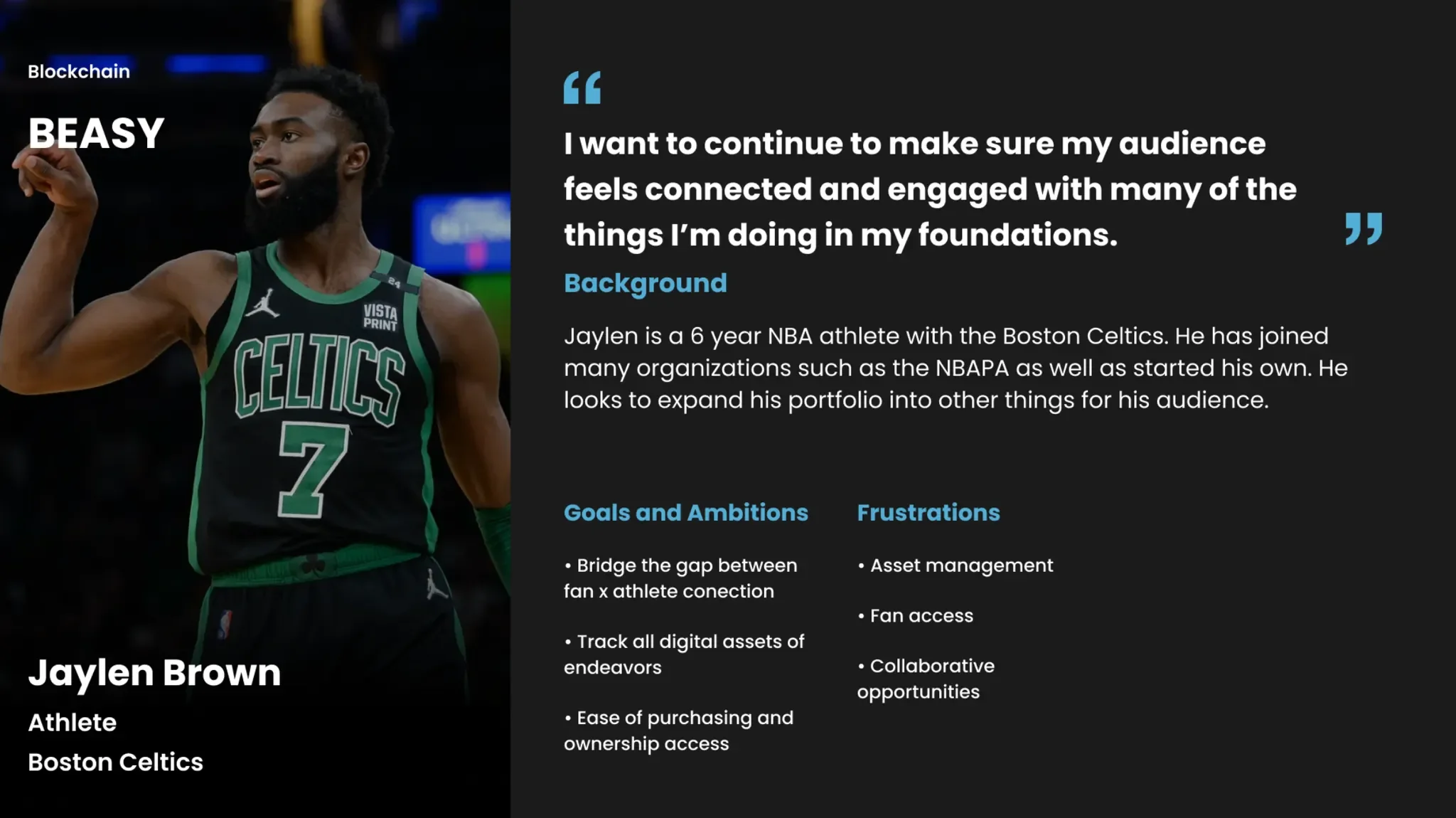
User PersonaUsing the secondary research collected allowed me to create a persona that will allow for better design decisions based on a user's behaviors and needs.
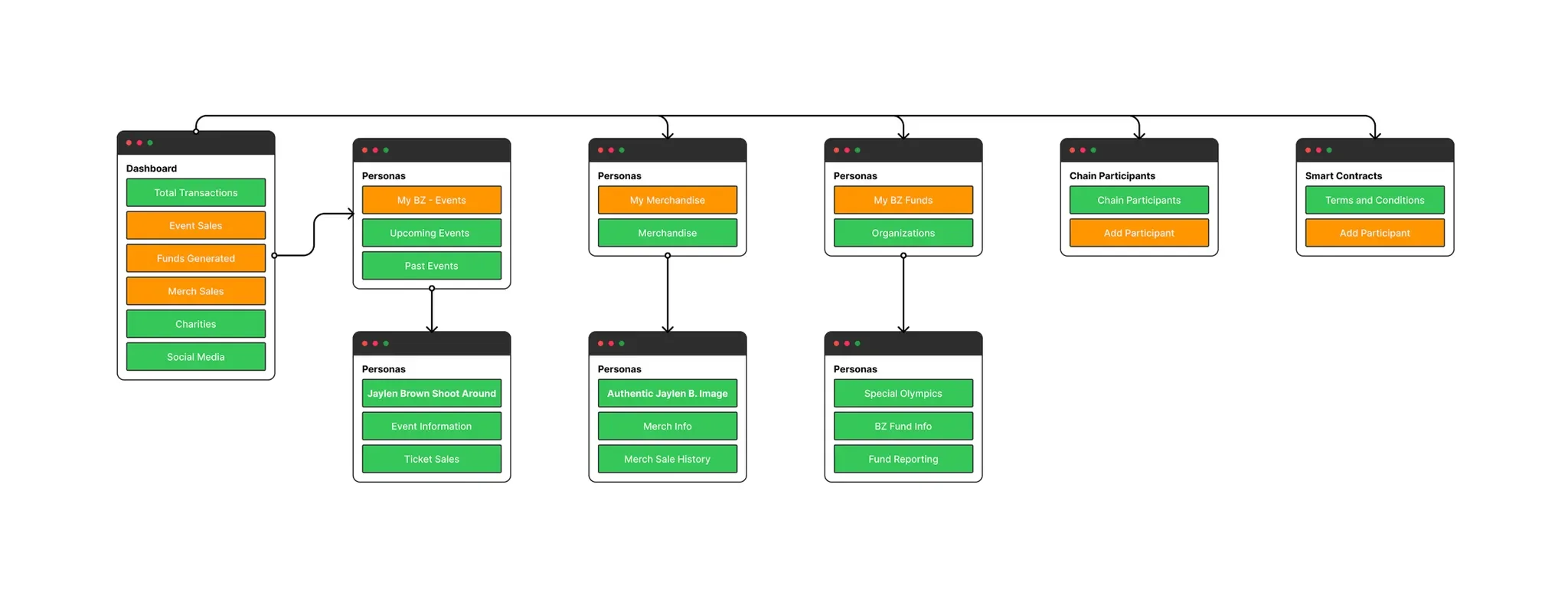
SitemapWe needed to construct a visual sitemap to show the information architecture of the blockchain system for Beasy.
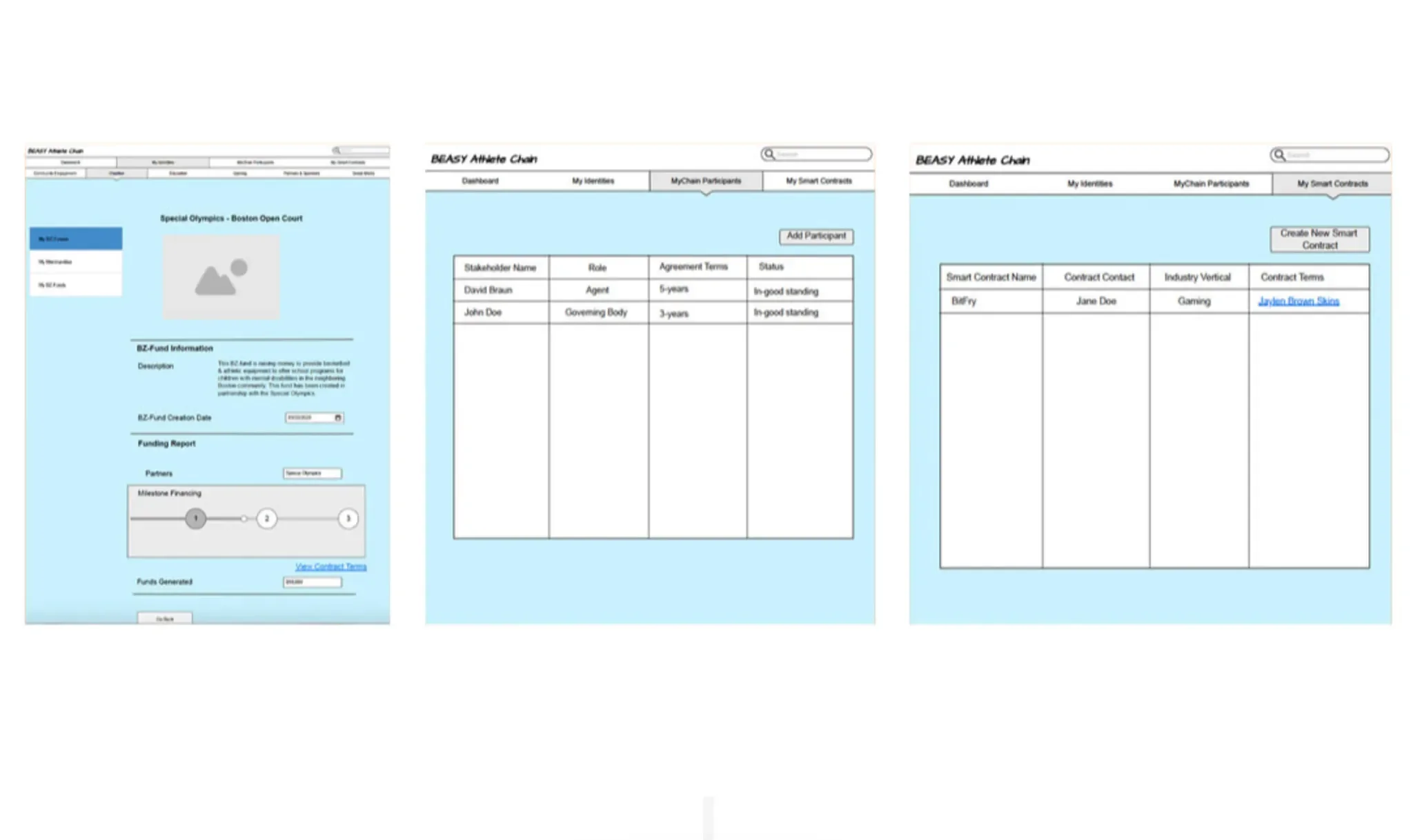
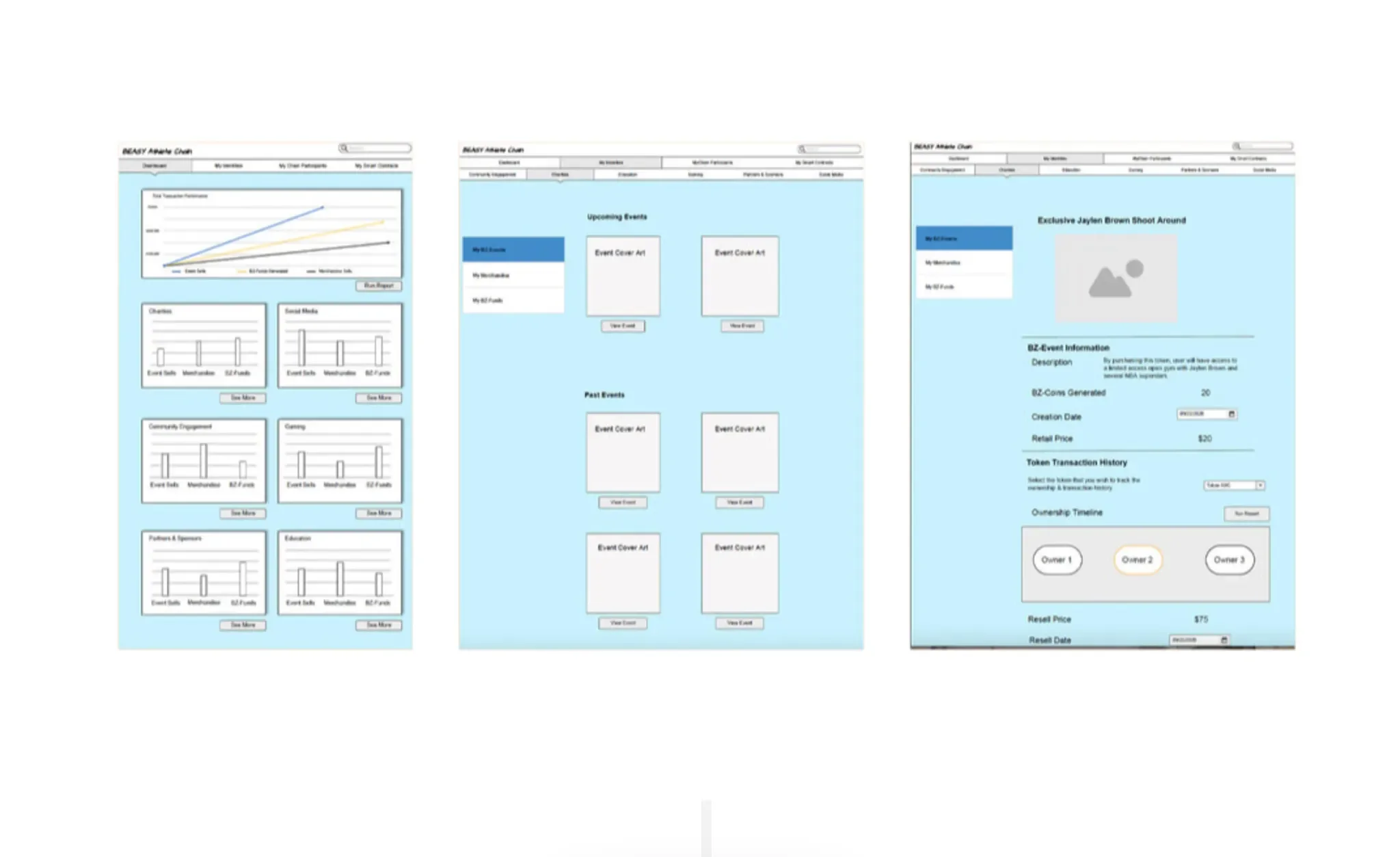
MidFi Wireframes
Solutions ImplementedOnboarding & Wallet Flow
Designed a simplified onboarding process that created a secure wallet without overwhelming users with jargon.
Document Upload + Verification
Built a flow that allowed users to drag and drop a file, trigger blockchain hashing behind the scenes, and receive a downloadable verification certificate.
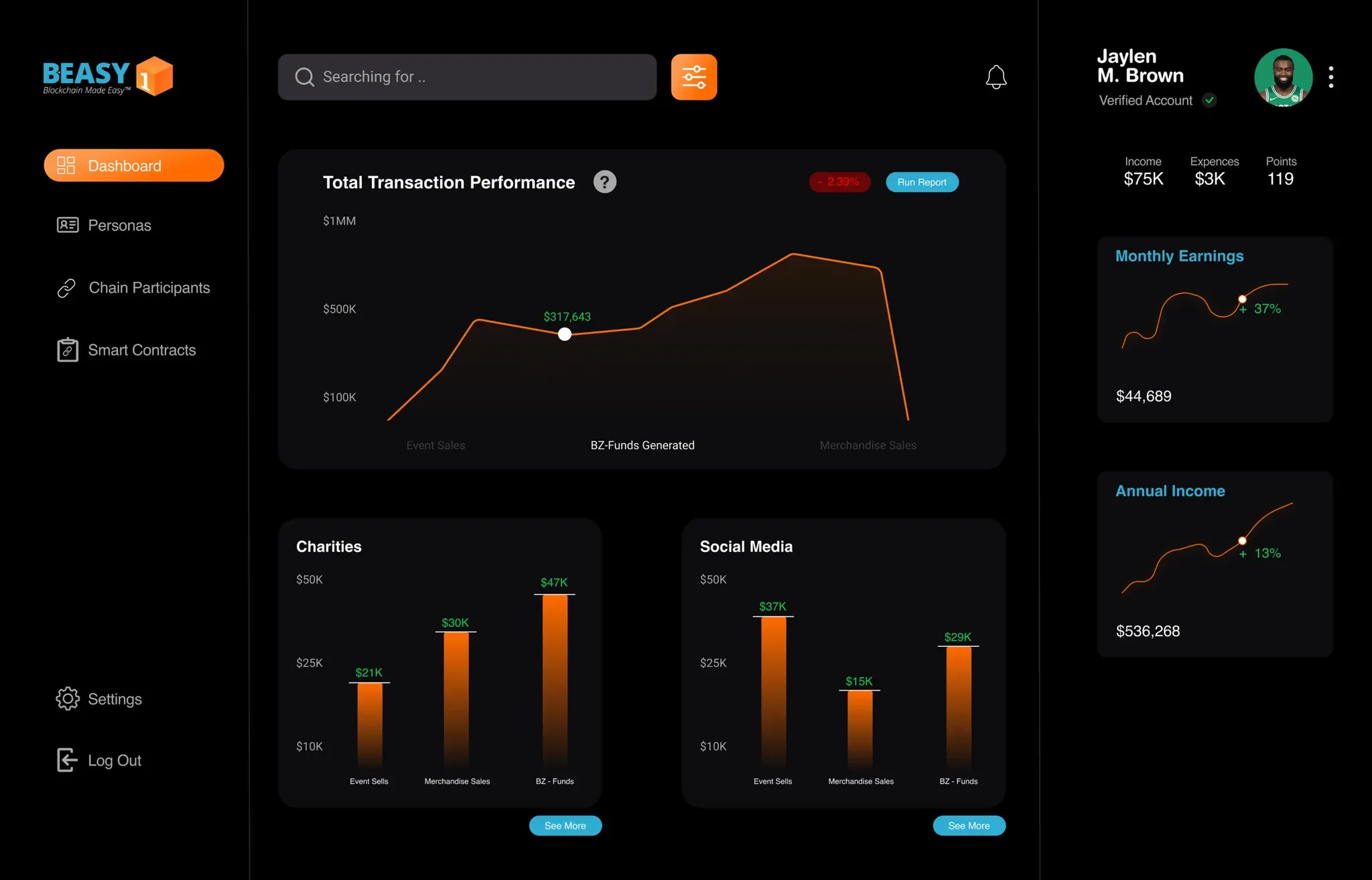
Trust & Identity Dashboard
Created a dashboard experience where users could see their verification history, status of documents, and linked identity credentials.
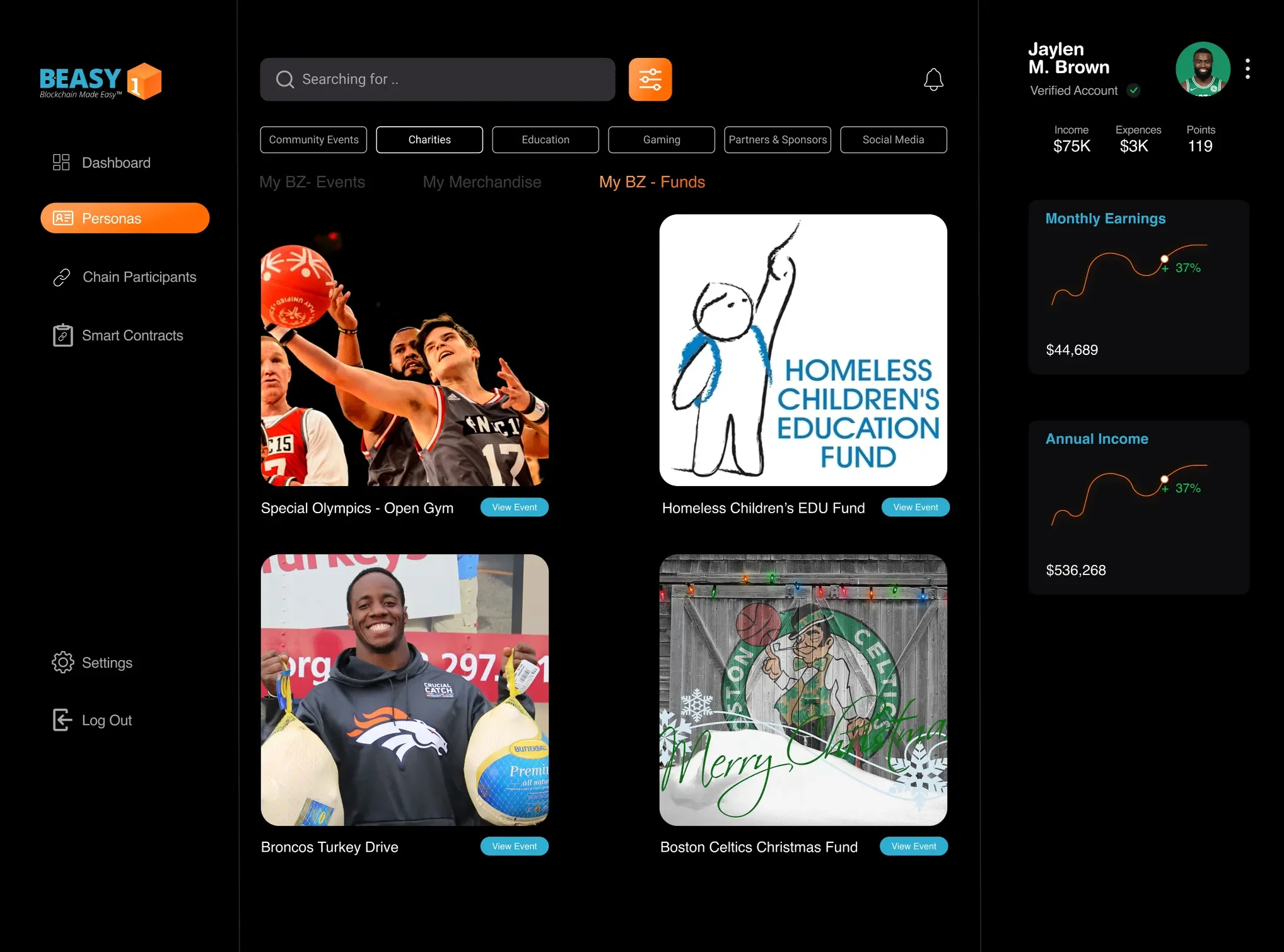
Investor Prototype & Pitch Deck Screens
Crafted a clickable, interactive prototype with embedded storytelling to clearly illustrate the use case and scalability.
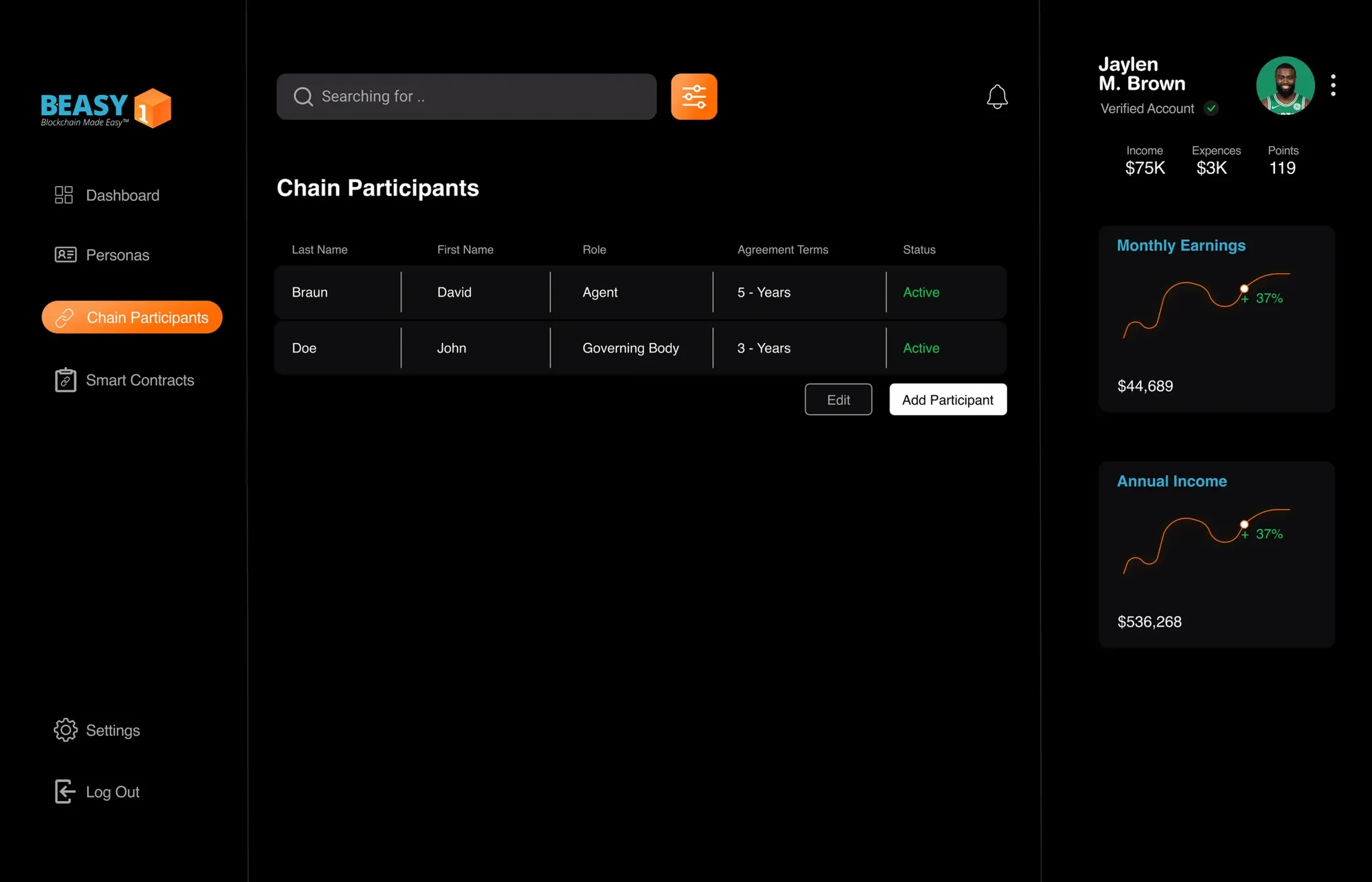
Pitch-Ready UX Artifacts
Developed high-fidelity visuals and experience flows tailored for investor presentations and demo days.
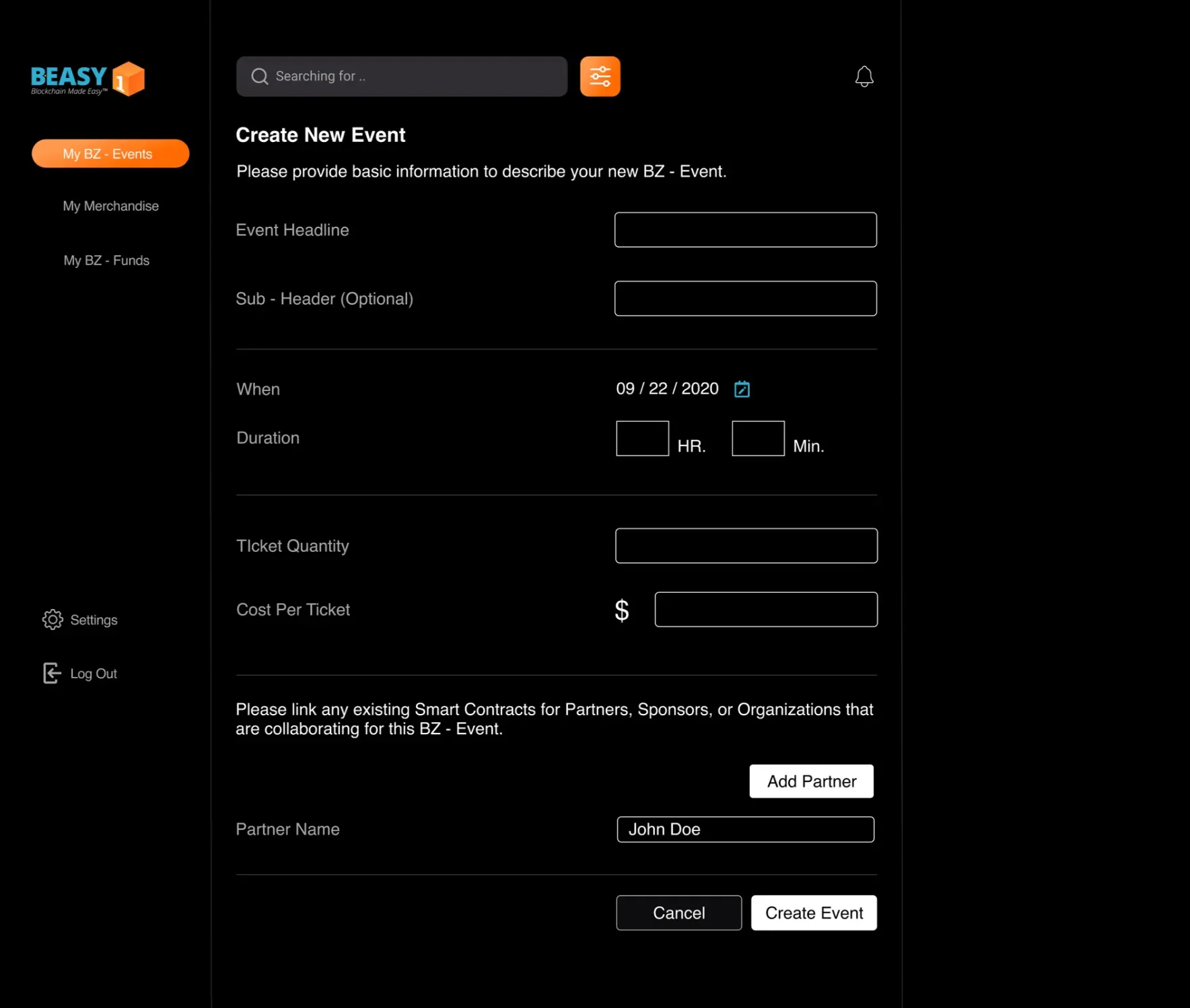
ResultsHelped secure $1.5M in early-stage funding through investor demos powered by the MVP prototype.
Prototype presented at 2 Web3 startup showcases and featured in blockchain newsletters.
Received strong interest from beta users across the legal and real estate sectors for early pilot testing.
Click the link below to view the featured article:
https://www.builtinboston.com/articles/boston-future-5-startup-beasy-q2-2022
ReflectionThis project deepened my ability to translate complex technologies into clear, usable experiences. Designing for blockchain taught me that reducing cognitive load and designing around user trust are essential, especially when the technology itself is unfamiliar.
I also sharpened my skills in founder collaboration, building quick feedback loops between design and pitch needs, and ensuring every screen had a narrative purpose.
What I'd do differentlyConduct more user validation with actual target end-users earlier in the process (not just investors).
Push for motion design or micro-interactions to better communicate trust, especially around wallet creation and document validation.
Begin testing pricing and tiering strategies through design to prep for go-to-market.